What Is an On-Grid Solar System: Key Benefits of On-Grid Solar for Homes
- Oct 13, 2025
- 3 min read
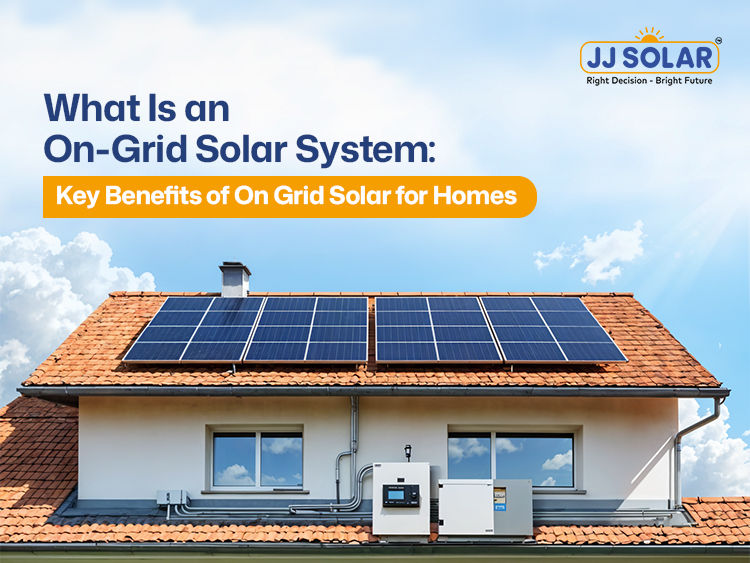
On-grid solar systems allow you to generate your own power, reduce your electricity bills, and even contribute to a greener planet, all while staying connected to the main electricity grid.
In this blog, we’ll explain what an on-grid solar system is, how it works, the benefits for homes, and the costs and subsidies available in India.
What Is an On-Grid Solar System?
An on-grid solar system is a solar power setup that is connected to your home’s main electricity supply. Unlike off-grid systems, which rely entirely on batteries for storage, an on-grid system allows you to:
Use solar energy when the sun is shining.
Draw electricity from the grid when your solar panels aren’t producing enough power.
Feed excess solar energy back to the grid (net metering), often earning credit from your electricity provider.
In simple terms, it’s a hybrid system that combines solar independence with grid reliability.
How an On-Grid Solar System Works at Home
Here’s a step-by-step overview of how an on-grid solar system for your home functions:
Solar Panels Capture Sunlight: Panels on your rooftop convert sunlight into DC electricity.
Inverter Converts DC to AC: The DC electricity is sent to an inverter, which changes it into AC electricity suitable for home appliances.
Power Usage in Your Home: Your home uses solar electricity first, reducing your electricity bills.
Excess Power to Grid: Any surplus power is fed into the electricity grid via net metering, allowing you to earn credit.
Grid as Backup: At night or during cloudy days, your home automatically draws electricity from the grid.
This setup ensures a continuous power supply, maximum savings, and minimal reliance on batteries.
Key Benefits of an On-Grid Solar System
Installing an on-grid solar system for your home offers multiple advantages:
Reduced Electricity Bills: Use solar power during the day and rely on the grid only when needed.
Earn Through Net Metering: Excess solar energy exported to the grid can offset future electricity bills.
Low Maintenance: On-grid systems typically require minimal maintenance compared to battery-based off-grid systems.
Environmentally Friendly: Reduce carbon footprint by using renewable solar energy.
Reliable Power Supply: Always stay connected to the grid for uninterrupted electricity.
For homeowners looking for a solar company in Ahmedabad, choosing JJ PV Solar ensures proper installation, monitoring, and support.
Costs, Savings, and Subsidies with On-Grid Solar in India
Approximate Costs
1 kW System: ₹50,000 - ₹70,000
3 kW System: ₹1.5 lakh - ₹2 lakh
5 kW System: ₹2.5 lakh - ₹3.5 lakhCosts vary based on brand, quality of solar panels, inverter type, and rooftop space.
Potential Savings
25-40% reduction in monthly electricity bills.
Additional savings through net metering credits.
Government Subsidies
The Indian government offers subsidies to encourage the adoption of on-grid solar systems:
Central Subsidy: Up to 40% of the benchmark cost for systems below 3 kW.
State Subsidies: Vary by state; some states offer additional incentives for rooftop solar.
Net Metering Benefits: Exporting excess power to the grid can further reduce costs.
By combining subsidies and savings on electricity bills, most homeowners can recover their investment in 4-6 years.
Why Choose JJ PV Solar
Choosing JJ PV Solar means trusting a company with proven expertise and a strong track record. With 15+ years in the solar industry, 350+ installed plants, and 20,000+ satisfied customers, We deliver high-quality solar solutions tailored to your needs. Our experience across residential, industrial, and ground-mounted projects ensures reliable performance, while our commitment to innovation and customer support makes switching to solar simple, efficient, and hassle-free.